What Is Digital Marketing? A Complete Beginner’s Guide
If you want to grow a business online, you have probably heard the term
digital marketing. But what does digital marketing actually mean?
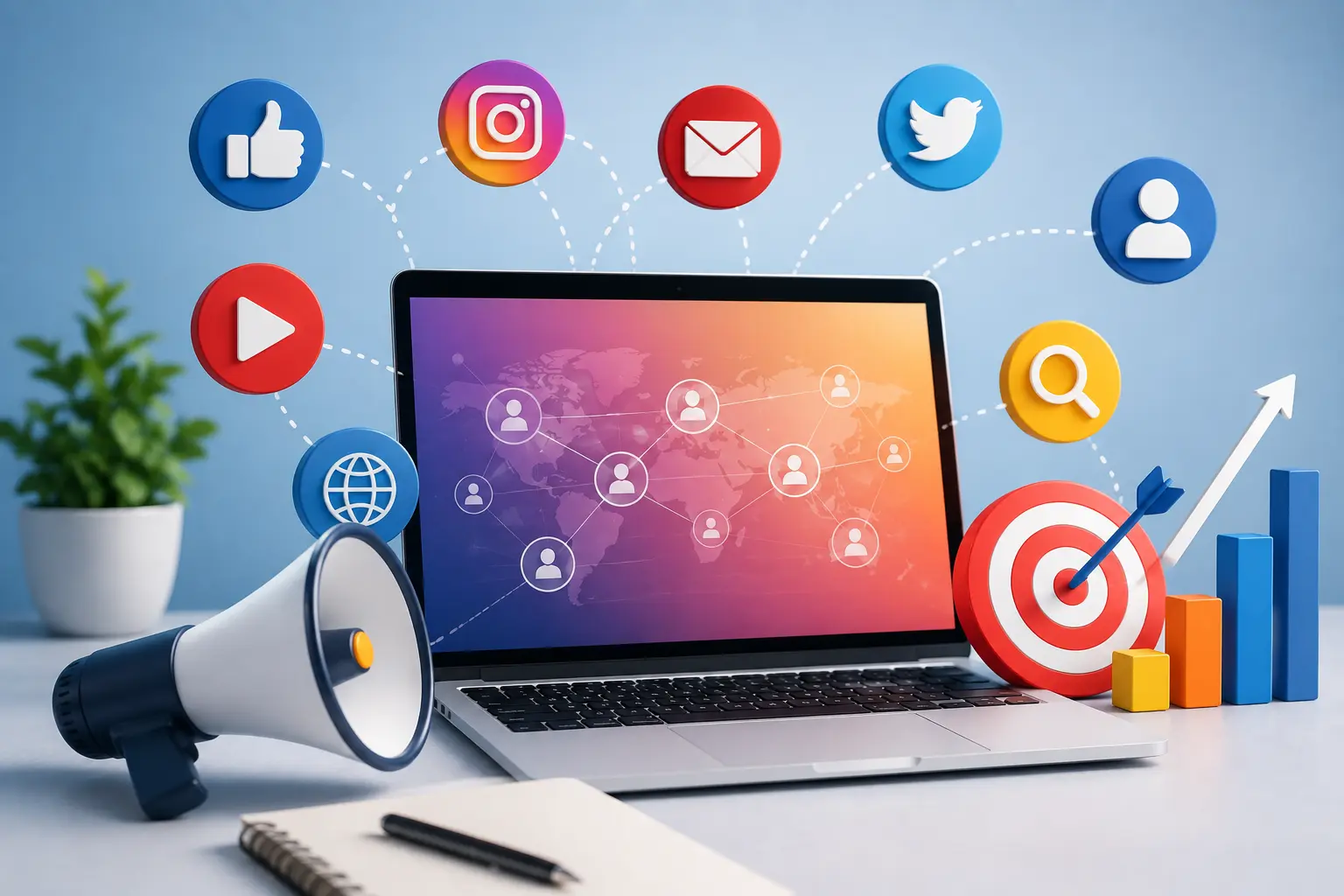
Digital marketing is the process of promoting products, services, or brands through digital channels such as search engines, websites, social media, email, and online advertising.
For businesses of all sizes, digital marketing can help attract the right audience, generate leads, increase sales, and build a strong online presence.
What Is Digital Marketing?
Digital marketing is a form of marketing that uses the internet and digital technologies to reach potential customers.
Unlike traditional marketing methods such as newspapers, billboards, and television, digital marketing allows businesses to target specific audiences and measure campaign performance more easily.
Common digital marketing channels include:
Search engines
Websites
Social media
Email
Online advertising
Content platforms
Mobile applications
The main goal is to connect your business with people who are most likely to be interested in your products or services.
If you want to build a strong online presence for your business, you can explore
SA IT Solutions and its range of digital services.
Why Is Digital Marketing Important?
People spend a significant amount of time online researching products, comparing services, reading reviews, and making purchases. This makes having a strong digital presence important for modern businesses.
Effective digital marketing can help you:
Reach a larger audience
Generate qualified leads
Increase website traffic
Build brand awareness
Increase online sales
Improve customer relationships
Measure marketing performance
Compete with larger businesses
A well-planned digital marketing strategy can also help businesses reach customers across different countries and markets.
Main Types of Digital Marketing
Digital marketing includes several different strategies. Businesses often combine multiple channels to achieve better results.
1. Search Engine Optimization (SEO)
SEO is the process of improving a website so it can appear higher in organic search results.
SEO focuses on areas such as:
Keyword research
On-page SEO
Technical SEO
Content optimization
Internal linking
Link building
SEO can help businesses attract people who are actively searching for their products, services, or information.
If you want to improve your website's visibility in search engines, you can learn more about our
search engine optimization services.
2. Pay-Per-Click Advertising (PPC)
PPC advertising allows businesses to display paid advertisements on search engines and other digital platforms.
With PPC, advertisers generally pay when someone clicks on their advertisement.
Popular PPC platforms include:
Google Ads
Facebook Ads
Instagram Ads
Display advertising
YouTube Ads
PPC can be useful when a business wants to generate targeted traffic quickly.
3. Social Media Marketing
Social media marketing involves promoting a business through platforms such as Facebook, Instagram, LinkedIn, TikTok, and other social networks.
Businesses can use social media to:
Build brand awareness
Share content
Engage with customers
Promote products
Generate leads
Drive website traffic
The right social media platform depends on your target audience and business type.
4. Content Marketing
Content marketing focuses on creating and distributing useful content for a specific audience.
Examples include:
Blog posts
Videos
Guides
Case studies
Infographics
Tutorials
Ebooks
High-quality content can attract potential customers and support other digital marketing strategies such as SEO and social media marketing.
5. Email Marketing
Email marketing allows businesses to communicate directly with subscribers and customers.
It can be used for:
Newsletters
Product updates
Special offers
Educational content
Abandoned cart emails
Customer retention
Email marketing can be particularly effective for building long-term customer relationships.
6. Affiliate Marketing
Affiliate marketing is a performance-based marketing strategy where affiliates promote products or services and receive a commission for qualifying sales or actions.
It can help businesses expand their reach without relying entirely on their own marketing channels.
7. Influencer Marketing
Influencer marketing involves collaborating with individuals who have an established audience on digital platforms.
An influencer can introduce your brand, product, or service to their followers.
The success of an influencer campaign depends heavily on audience relevance, trust, content quality, and campaign goals.
How Does Digital Marketing Work?
A successful digital marketing campaign usually follows a structured process.
1. Identify Your Target Audience
Understand who your ideal customers are, what they need, and where they spend time online.
2. Set Clear Goals
Your goals might include increasing traffic, generating leads, increasing sales, or improving brand awareness.
3. Choose the Right Channels
Select SEO, PPC, social media, content marketing, email marketing, or other channels based on your audience and goals.
4. Create Valuable Content
Develop content that answers questions, solves problems, and helps your audience make informed decisions.
5. Promote Your Content
Use organic and paid channels to reach the right people.
6. Measure the Results
Track traffic, leads, conversions, engagement, and revenue to understand what is working.
7. Optimize Your Strategy
Use the data to improve your campaigns and achieve better results over time.
For businesses that need a complete strategy, our
digital marketing services combine different online marketing channels based on business goals and target audiences.
Digital Marketing vs Traditional Marketing
Traditional marketing uses channels such as television, radio, newspapers, magazines, and billboards.
Digital marketing uses online channels such as:
Search engines
Websites
Social media
Email
Digital advertising
One major advantage of digital marketing is that businesses can often track campaign performance in much greater detail.
For example, you can measure:
Website visits
Ad clicks
Leads
Conversion rates
Sales
Customer engagement
This data allows businesses to make more informed marketing decisions.
Why Is Your Website Important in Digital Marketing?
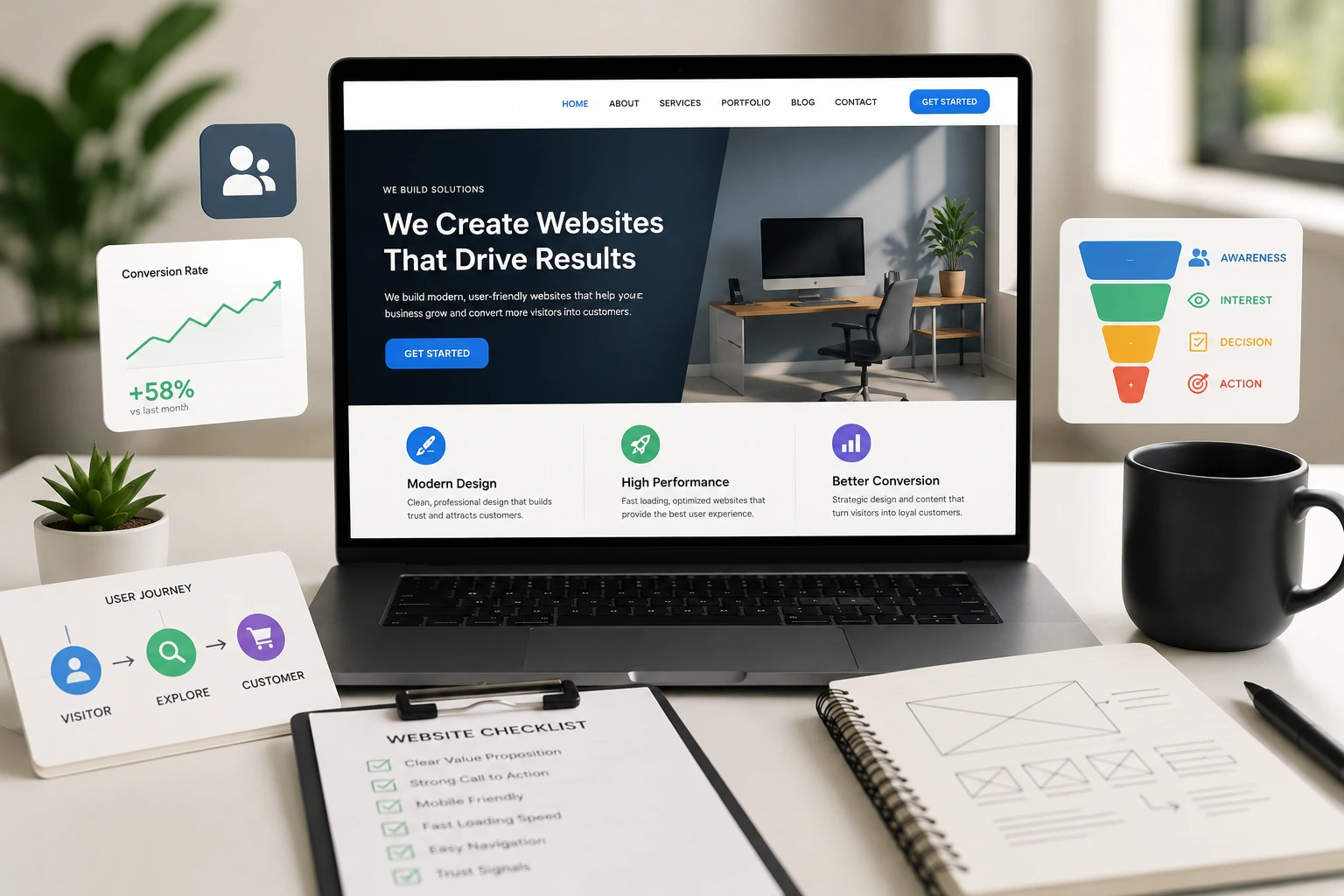
Your website is often the central part of your digital marketing strategy.
SEO, social media, PPC, email marketing, and content marketing can all send visitors to your website. Therefore, your website needs to provide a good user experience and make it easy for visitors to take action.
A professional
website design service can help create a responsive, user-friendly website that supports your marketing campaigns.
For businesses selling products online, an
ecommerce website can provide the features needed to showcase products and accept online orders.
How Much Does Digital Marketing Cost?
There is no fixed price for digital marketing.
The cost depends on:
Business size
Marketing goals
Target audience
Industry competition
Selected channels
Advertising budget
Content requirements
Agency or freelancer fees
A small business may start with a focused strategy such as SEO and social media marketing, while a larger company may invest in SEO, PPC, content marketing, email marketing, social media, and other channels simultaneously.
How to Create a Digital Marketing Strategy
A simple digital marketing strategy can start with these steps:
Define your business goals.
Identify your target audience.
Research your competitors.
Choose the right marketing channels.
Create valuable content.
Set a realistic budget.
Track important performance metrics.
Test and improve your campaigns.
You do not need to use every digital marketing channel at the beginning. It is often better to focus on the channels that are most relevant to your customers.
Common Digital Marketing Mistakes
Businesses often make mistakes when starting digital marketing.
Some common examples include:
Trying to use every platform at once
Not defining a target audience
Creating content without a strategy
Ignoring SEO
Focusing only on follower counts
Not tracking conversions
Spending money on ads without testing
Expecting immediate results
A successful digital marketing strategy requires consistency, testing, and continuous improvement.
How to Measure Digital Marketing Success
The right metrics depend on your goals.
Important digital marketing metrics can include:
Organic traffic
Website traffic
Leads
Conversion rate
Cost per lead
Return on ad spend
Sales
Email open rate
Click-through rate
Customer acquisition cost
Instead of focusing only on traffic or social media followers, businesses should measure metrics that contribute to actual business growth.
Final Thoughts
Digital marketing is a powerful way for businesses to reach customers, build brand awareness, generate leads, and increase sales online.
SEO, PPC, social media marketing, content marketing, email marketing, influencer marketing, and affiliate marketing can all play important roles in a complete digital marketing strategy.
The best approach is not to use every channel simply because it is popular. Instead, choose the strategies that match your
business goals, target audience, budget, and industry.
With the right strategy and consistent optimization, digital marketing can help businesses build a stronger online presence and achieve sustainable growth.
If you need professional
digital marketing services for your business, SA IT Solutions can help you create a customized strategy focused on your goals, target audience, and long-term online growth.
Frequently Asked Questions
What is digital marketing in simple words?
Digital marketing means promoting a business, product, or service through digital channels such as search engines, websites, social media, email, and online advertising.
What are the main types of digital marketing?
The main types include SEO, PPC advertising, social media marketing, content marketing, email marketing, affiliate marketing, and influencer marketing.
Is digital marketing important for small businesses?
Yes. Digital marketing can help small businesses reach targeted audiences, generate leads, increase website traffic, and compete in online markets.
How long does digital marketing take to work?
The timeline depends on the strategy. PPC can generate traffic quickly, while SEO and content marketing usually require more time to produce significant results.
Can I do digital marketing myself?
Yes. Businesses can manage basic digital marketing themselves. However, professional expertise can be useful for competitive SEO, paid advertising, analytics, content strategy, and large-scale campaigns.