How to Create a Professional Business Website From Scratch
A professional website is one of the most important assets for a modern business. It helps build credibility, attract new customers, showcase your products or services, and generate leads or sales.
Whether you are starting a small business, launching a startup, or building an online brand, learning
how to create a professional business website from scratch can help you make better decisions about design, development, hosting, content, and SEO.
Why Does a Business Need a Professional Website?
A business website gives your company a professional online presence and allows potential customers to learn about your business at any time.
A professional website can help you:
Build trust and credibility
Showcase products or services
Generate leads
Increase online visibility
Reach customers worldwide
Increase online sales
Support digital marketing and SEO
A well-designed website can also help your business compete more effectively in the digital market.
1. Define Your Website Goals
Before starting your website, determine what you want it to achieve.
Your goals may include:
Generate leads
Sell products online
Promote services
Receive customer inquiries
Book appointments
Build brand awareness
Provide information
Your goals will determine your website structure, features, content, and overall design.
2. Choose a Domain Name
Your domain name is your website's address on the internet.
For example:
yourbusiness.com
Choose a domain name that is:
Easy to remember
Easy to spell
Relevant to your business
Short and professional
Easy to pronounce
If you need help choosing a domain and setting up reliable hosting, you can explore our
domain and hosting services.
3. Choose Reliable Web Hosting
Web hosting stores your website files and makes your website available online.
When choosing web hosting, consider:
Server performance
Uptime
Security
Storage
Bandwidth
Customer support
Backup options
Scalability
Reliable hosting is important because slow or frequently unavailable websites can create a poor user experience.
4. Choose the Right Website Platform
There are several ways to build a business website, including:
WordPress
Custom web development
Website builders
Ecommerce platforms
WordPress can be a good option for businesses that want flexibility and easy content management.
A custom website may be more suitable when your business needs unique functionality, complex systems, or highly customized features.
If you need a fully customized website, professional
web development services can help turn your requirements into a functional website.
5. Plan Your Website Structure
Before starting development, create a clear website structure.
A typical business website may include:
Home
About Us
Services
Products
Portfolio
Blog
Testimonials
Contact
Depending on your business, you may also need pricing, FAQs, case studies, locations, or booking pages.
A clear website structure makes navigation easier for visitors and helps search engines understand your website.
6. Design a Professional User Interface
Your website design should represent your brand and make information easy to understand.
Focus on:
Clean layouts
Consistent colors
Professional typography
High-quality images
Clear navigation
Proper spacing
Strong visual hierarchy
Avoid unnecessary animations, colors, and design elements that can distract visitors.
Professional
website design services can help create a modern, responsive, and user-friendly website that matches your brand and business goals.
7. Make Your Website Mobile-Friendly
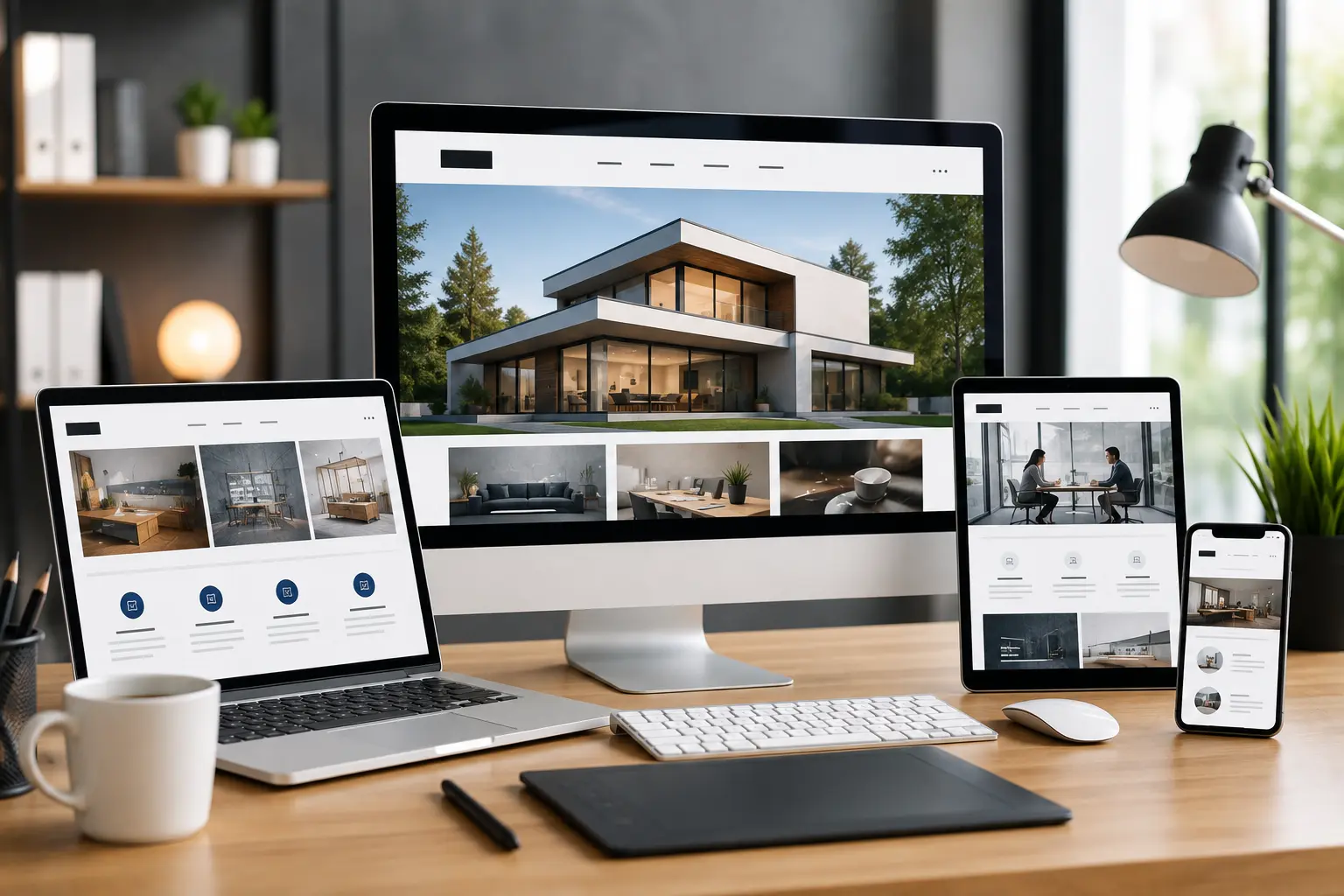
A professional website should work properly on smartphones, tablets, laptops, and desktop computers.
Responsive web design allows your website to automatically adapt to different screen sizes.
Make sure:
Text is easy to read
Buttons are easy to tap
Images fit the screen
Menus work properly
Forms are easy to complete
Pages load quickly
A mobile-friendly website provides a better experience for visitors and can also support your SEO strategy.
8. Create High-Quality Website Content
Good design alone is not enough. Your website needs useful and relevant content.
Your content should clearly explain:
What your business does
What products or services you offer
Who you serve
Why customers should choose you
How your process works
How customers can contact you
Use simple language and organize your content with headings, short paragraphs, bullet points, and relevant visuals.
9. Optimize Your Website for SEO
If you want people to find your website through Google and other search engines,
SEO-friendly web design is essential.
Important SEO elements include:
Keyword research
SEO-friendly URLs
Proper heading structure
Optimized page titles
Meta descriptions
Internal linking
Image optimization
Mobile responsiveness
Fast loading speed
Helpful content
SEO should be considered during website development rather than added as an afterthought.
If you want professional help improving your website's search visibility, you can explore our
search engine optimization services.
10. Add Strong Calls-to-Action
Your website should guide visitors toward the next step.
Examples of effective calls-to-action include:
Get a Free Quote
Contact Us
Book a Consultation
Request a Demo
Shop Now
Get Started
Place relevant CTAs on important pages so visitors can easily take action.
11. Add Trust-Building Elements
People are more likely to contact or purchase from a business they trust.
You can build credibility by adding:
Customer testimonials
Reviews
Case studies
Client logos
Certifications
Awards
Business experience
Portfolio examples
These elements can help potential customers feel more confident about your business.
12. Focus on Website Speed and Performance
A slow website can create a poor user experience and may cause visitors to leave.
To improve website performance:
Compress images
Use modern image formats
Enable caching
Minimize unnecessary scripts
Optimize CSS and JavaScript
Use reliable hosting
Monitor website performance
Fast-loading pages can improve usability and support your overall SEO strategy.
13. Secure Your Business Website
Website security should be a priority from the beginning.
Important security measures include:
SSL/HTTPS
Strong passwords
Regular software updates
Secure hosting
Regular backups
Security monitoring
Proper user permissions
If you use WordPress or another CMS, keep the platform, themes, and plugins updated.
14. Test Your Website Before Launch
Before publishing your website, test everything carefully.
Check:
Mobile responsiveness
Contact forms
Navigation links
Buttons
Images
Page speed
Browser compatibility
Website security
SEO settings
Spelling and grammar
Testing helps identify problems before real customers encounter them.
15. Launch and Maintain Your Website
Launching your website is not the end of the process.
A professional business website needs regular maintenance, including:
Updating content
Publishing blog posts
Updating software
Checking security
Fixing broken links
Improving website speed
Monitoring SEO performance
Adding new features
Regular maintenance helps keep your website secure, useful, and competitive.
If you need ongoing technical support, our
website maintenance services can help keep your website updated, secure, and performing properly.
How Much Does It Cost to Create a Business Website?
The cost of creating a business website depends on several factors, including:
Website size
Design complexity
Platform
Number of pages
Custom functionality
Ecommerce features
Content requirements
Hosting
Maintenance
A simple business website can cost significantly less than a custom ecommerce platform or large web application.
Instead of focusing only on the initial cost, consider the long-term value the website can provide to your business.
Common Mistakes to Avoid
When creating a business website, avoid:
Complicated navigation
Poor mobile design
Slow loading pages
Low-quality images
Too much unnecessary content
Weak calls-to-action
Ignoring SEO
No contact information
Poor website security
Not updating the website
A professional website should be simple, useful, fast, secure, and focused on the needs of your customers.
Final Thoughts
Creating a professional business website from scratch requires more than choosing a template and adding some content. You need a clear strategy covering
domain, hosting, web design, development, content, SEO, security, performance, and ongoing maintenance.
Start by defining your goals and target audience, then choose the right platform and create a website that provides a smooth user experience.
If you need professional
web design and web development services, SA IT Solutions can help you build a modern, responsive, SEO-friendly business website designed around your business goals and customers.
Frequently Asked Questions
How do I create a professional business website?
Start by defining your goals, choosing a domain and hosting provider, selecting a website platform, planning your pages, designing the website, creating content, optimizing it for SEO, testing everything, and maintaining the site after launch.
How long does it take to create a business website?
The timeline depends on the website's size and complexity. A simple business website may take a few days or weeks, while a custom website with advanced features can take significantly longer.
Should I use WordPress or a custom website?
WordPress is suitable for many businesses that want flexibility and easy content management. A custom website can be better when you need unique features or complex functionality.
Is SEO important when creating a business website?
Yes. Building an SEO-friendly website from the beginning can make it easier for search engines to crawl, understand, and index your content.
Does a business website need regular maintenance?
Yes. Regular updates, security checks, backups, performance monitoring, and content updates help keep your website secure and effective.